
Com novo álbum em produção para este ano, banda holandesa tem em Push Back the Horizon uma porta de entrada para sua combinação de progressivo, art-rock, melodias amplas e tensão social
English version below
Por Erick Tedesco
Há discos que funcionam como ponto de chegada. Outros permanecem como chave de leitura, capazes de explicar uma banda mesmo quando ela já se prepara para o próximo movimento. Push Back the Horizon, sexto álbum da holandesa Lesoir (@lesoirmusic), lançado em 2024, pertence a essa segunda categoria. Enquanto trabalha na produção de um novo disco previsto para este ano, o quinteto de Maastricht ainda encontra nesse repertório uma das formas mais claras de apresentar ao público sua combinação de art-rock, progressivo, melodias amplas e inquietação humana.
Ouça o álbum e mais músicas do Lesoir no streaming clicando aqui.
A Lesoir se move em uma faixa de difícil classificação. Há rock moderno, progressivo, art-rock, pop e aproximações pontuais com elementos da música pesada. Mas o que define sua música não é a soma dessas referências. É a maneira como a banda organiza tensão e beleza, complexidade e melodia, ambição instrumental e vocação de canção. Em Push Back the Horizon, essa combinação aparece com especial nitidez.
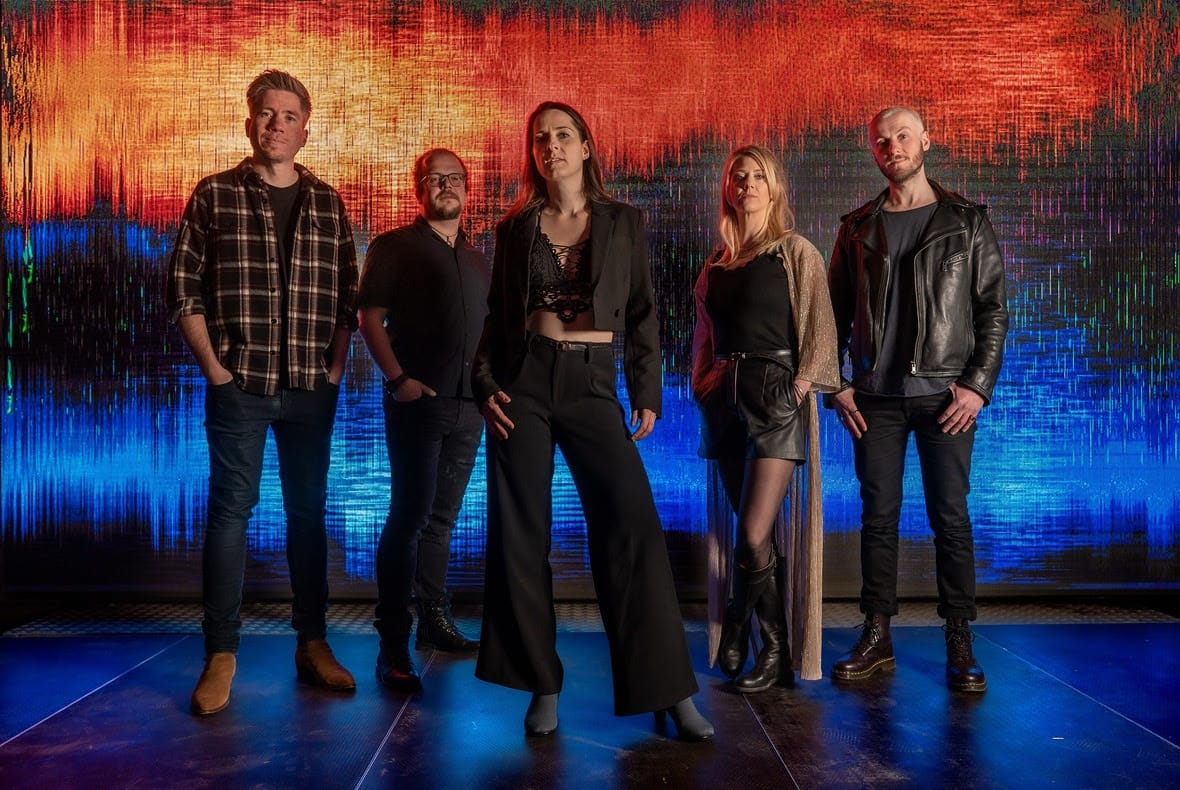
Lesoir é uma das bandas mais versáteis e talentosas do rock holandês atual
O álbum reúne dez faixas compostas pelo guitarrista Ingo Dassen, com letras e linhas vocais assinadas por Maartje Meessen, cantora, multi-instrumentista e figura decisiva na identidade estética da banda. Em relação a Mosaic, trabalho anterior da Lesoir, o disco de 2024 apresenta estruturas mais tradicionais e melodias mais imediatas. Não se trata de uma ruptura brusca, mas de um deslocamento. A banda continua ligada ao progressivo e ao art-rock, porém parece menos interessada em construir labirintos e mais disposta a abrir passagens.
Essa escolha dá ao álbum uma presença particular. Os refrões aparecem com mais nitidez. As canções respiram de modo mais amplo. Ainda assim, a Lesoir não simplifica sua assinatura. A sofisticação continua nos arranjos, nos compassos alternados, na dinâmica entre peso e delicadeza, na presença de flauta, cordas, pedal steel, texturas eletrônicas e momentos instrumentais que ampliam o espaço das músicas sem transformá-las em exercício técnico.
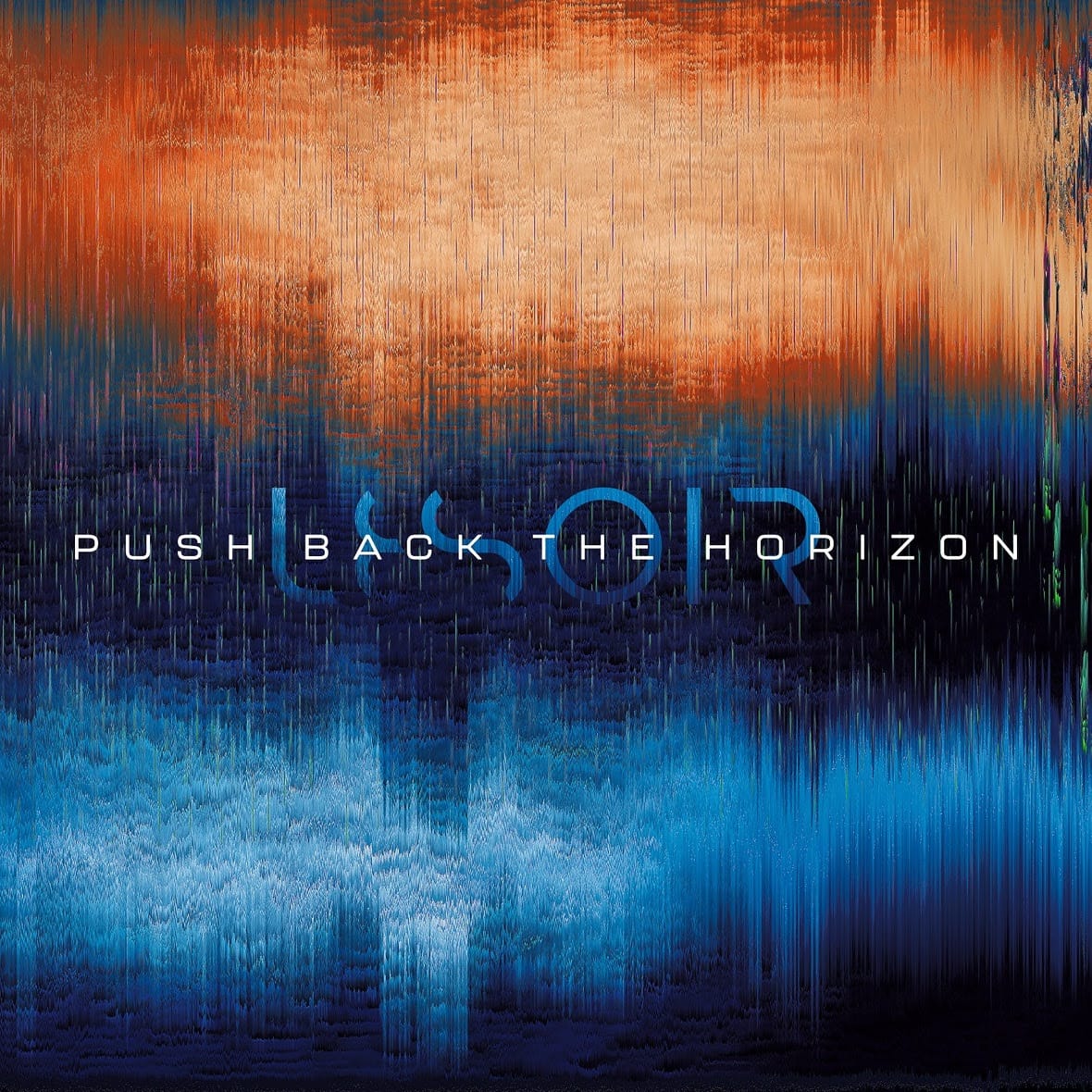
Capa do álbum Push Back the Horizon
As letras de Maartje Meessen dão ao disco uma camada humana que impede a música de se fechar em si mesma. Seus temas passam por inquietações sociais, senso de protesto e preocupação com o futuro, mas não se apresentam como manifesto direto. A escrita prefere imagens poéticas, ambiguidades e um tom pessoal, deixando espaço para que o ouvinte complete o sentido. É uma forma de engajamento menos explícita, mais atmosférica, quase íntima.
Produzido por John Cornfield, conhecido por trabalhos com Muse e Kashmir, Push Back the Horizon também traz a colaboração de Paul Reeve, produtor vocal do Muse. As gravações passaram pelo Muziekgieterij, em Maastricht, e pelo Reino Unido, com masterização de Steve Kitch, do The Pineapple Thief. O lançamento global saiu pela V2 Records, gravadora associada a nomes como Mumford And Sons, Moby e Ane Brun.
A conexão com o universo do The Pineapple Thief aparece também em uma escuta externa importante. Bruce Soord, mente criativa da banda britânica, elogiou a química da Lesoir, a força dos refrões e a presença do baixo e da bateria. A observação ajuda a localizar um dos méritos do álbum: Push Back the Horizon não depende apenas de atmosfera ou sofisticação formal. Ele se sustenta pela química interna de uma banda que sabe organizar suas partes em torno de canções.
A faixa-título abre o disco em tom ascendente, com vocais harmonizados, flauta e um interlúdio instrumental que alterna pulsações em 4/4 e 6/8. Under the Stars tem vocação mais direta, quase radiofônica, construída sobre um dos ganchos melódicos mais acessíveis do repertório. Fireflies incorpora uma inflexão oriental em uma música de rock acelerado, atravessada por cordas e flauta. Em You Are the World, a Lesoir se aproxima de sua essência art-rock, com pedal steel e alternância entre 4/4, 6/4 e 7/4.
O disco se abre para outros terrenos em The Drawer of the Chest in the Corner of the Room, com palavra falada, atmosfera trip-hop e solo de slide guitar. Aeon flerta com funk e soul em uma peça instrumental que desemboca em impulso drum and bass. Nadi, a faixa mais breve, carrega uma densidade própria, com guitarra que remete à delicadeza melancólica de Jeff Buckley. What Do You Want From Me? trabalha um groove em 9/8 com melodias angulares e vocais rítmicos. As Long as Your Girls Smile se aproxima de uma dimensão mais ampla de rock de arena, enquanto Why I Stand Here Now sintetiza a força dinâmica da banda.
O fato de a Lesoir já trabalhar em um novo álbum dá a Push Back the Horizon uma função ainda mais interessante dentro da discografia. O disco de 2024 passa a ser menos um registro recente e mais um retrato de passagem, uma fotografia de como a banda reorganizou sua linguagem antes de avançar para outro capítulo. É nele que se percebe com clareza a tentativa de aproximar a arquitetura do progressivo da respiração mais direta da canção.
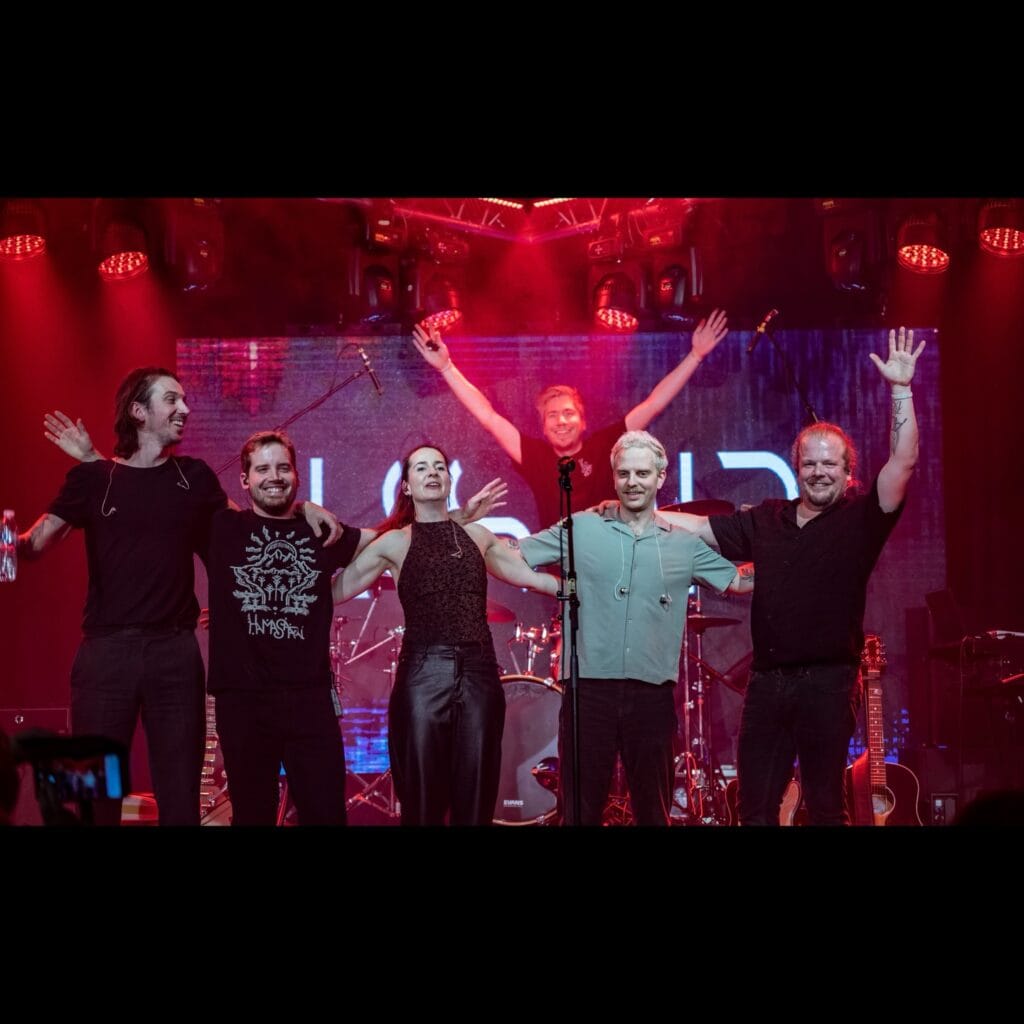
Crédito: Harry Heuts
Formada em 2009, em Maastricht, a Lesoir cresceu de maneira gradual, com uma base de fãs construída em silêncio, circulação europeia e consistência de repertório. Em 2019, a turnê de cinco semanas com o Riverside, uma das referências contemporâneas do progressivo europeu, ampliou sua presença no período de Mosaic, álbum lançado em colaboração com a Glassville Records e bem recebido em paradas europeias e asiáticas.
A pandemia interrompeu planos de estrada, incluindo uma sequência prevista de 20 shows em 2020. A resposta veio com Babel, peça de 20 minutos lançada em vinil artesanal limitado, cujas 250 cópias se esgotaram em quatro semanas. O projeto incluiu uma gravação única ao vivo e um curta-metragem de animação da Crystal Spotlight, estúdio conhecido por trabalhos com Porcupine Tree e Steven Wilson.
Esse percurso ajuda a entender por que Push Back the Horizon não deve ser lido apenas como mais um item na discografia. O álbum concentra uma ambição de linguagem que atravessa a história recente da Lesoir: a tentativa de fazer música sofisticada sem perder comunicação, de manter o progressivo vivo sem reduzi-lo a uma herança de museu, de aproximar experimentação e canção sem trair nenhuma das duas pontas.
A formação atual reúne Maartje Meessen nos vocais, letras, flauta, piano, guitarra, cordas e arranjos; Eleën Bartholomeus nos backing vocals, guitarra, synth e percussão; Ingo Dassen na composição, guitarra e programação de beats; Bob Van Heumen na bateria, percussão e backing vocals; e Ingo Jetten no baixo, pedal steel, guitarra e backing vocals.
Vista a partir de Push Back the Horizon, no momento em que prepara um novo álbum para 2026, a Lesoir aparece como uma banda de elegância inquieta. Não busca o impacto fácil, nem se acomoda no prestígio técnico do progressivo. Sua música se move entre paisagens, abre espaço para melodia, atravessa zonas de peso e delicadeza e encontra, no art-rock europeu, uma forma própria de falar sobre instabilidade, desejo de futuro e permanência.
Push Back the Horizon está disponível nas plataformas digitais e também em versões físicas.
==============================
European art-rock
Lesoir’s restless elegance on the map of European rock
With a new album in production for 2026, the Dutch band from Maastricht finds in Push Back the Horizon a defining entry point into its blend of progressive rock, art-rock, wide-screen melodies and social tension
Erick Tedesco, journalist and founder of Tedesco Mídia
Some albums feel like a destination. Others remain as a key to understanding a band, even when that band is already preparing its next move. Push Back the Horizon, the sixth album by Dutch band Lesoir (@lesoirmusic), released in 2024, belongs to the second category. As the quintet from Maastricht works on a new record scheduled for 2026, this album still stands as one of the clearest ways to enter its world: a place where art-rock, progressive structures, expansive melodies and human unease coexist.
Lesoir moves through a hard-to-define territory. There is modern rock, progressive rock, art-rock, pop and occasional touches of heavier music. But what defines the band is not the sum of these references. It is the way Lesoir organizes tension and beauty, complexity and melody, instrumental ambition and the instinct for song. On Push Back the Horizon, that combination appears with particular clarity.
The album brings together ten tracks composed by guitarist Ingo Dassen, with lyrics and vocal lines written by Maartje Meessen, singer, multi-instrumentalist and one of the central figures in the band’s aesthetic identity. Compared to Mosaic, Lesoir’s previous album, the 2024 record presents more traditional structures and more immediate melodies. It is not a sudden rupture, but a shift. The band remains connected to progressive rock and art-rock, yet seems less interested in building labyrinths and more willing to open passages.
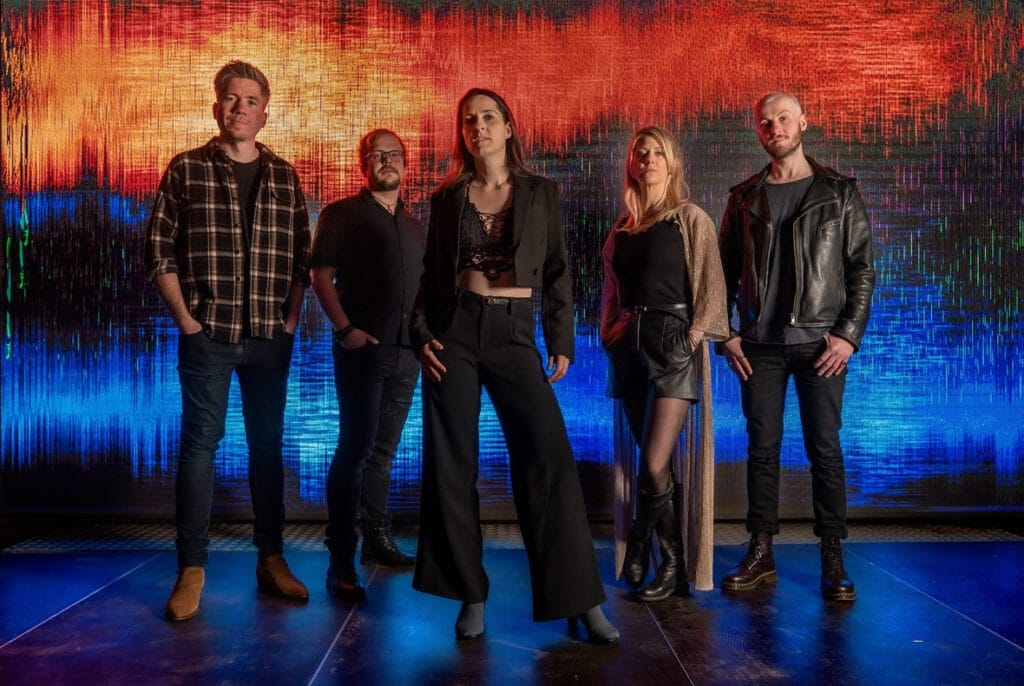
Lesoir é uma das bandas mais versáteis e talentosas do rock holandês atual
That choice gives the album a distinctive presence. The choruses are clearer. The songs breathe more widely. Still, Lesoir does not simplify its own signature. The sophistication remains in the arrangements, in the shifting meters, in the balance between weight and delicacy, in the presence of flute, strings, pedal steel, electronic textures and instrumental passages that expand the songs without turning them into technical exercises.
Maartje Meessen’s lyrics give the album a human layer that keeps the music from closing in on itself. Her themes move through social unease, a sense of protest and concern for the future, but they do not arrive as direct manifestos. Her writing prefers poetic images, ambiguities and a personal tone, leaving room for each listener to complete the meaning. It is a more atmospheric and intimate form of engagement.
Produced by John Cornfield, known for his work with Muse and Kashmir, Push Back the Horizon also features the collaboration of Paul Reeve, Muse’s vocal producer. The recordings took place at Muziekgieterij, in Maastricht, and in the United Kingdom, with mastering by Steve Kitch, of The Pineapple Thief. The album was released globally by V2 Records, a label associated with names such as Mumford And Sons, Moby and Ane Brun.
The connection with The Pineapple Thief’s universe also appears through an important outside perspective. Bruce Soord, the creative force behind the British band, praised Lesoir’s chemistry, the strength of its choruses and the presence of bass and drums. His observation helps locate one of the album’s merits: Push Back the Horizon does not depend only on atmosphere or formal sophistication. It is sustained by the internal chemistry of a band that knows how to arrange its parts around songs.
The title track opens the album with an ascending force, built on harmonized vocals, flute and an instrumental interlude that alternates between 4/4 and 6/8. Under the Stars has a more direct, almost radio-friendly drive, shaped by one of the album’s most accessible melodic hooks. Fireflies brings an Eastern inflection into an uptempo rock song crossed by strings and flute. In You Are the World, Lesoir moves closer to its art-rock essence, with pedal steel and changes between 4/4, 6/4 and 7/4.
The album moves into other territories with The Drawer of the Chest in the Corner of the Room, which brings spoken word, trip-hop atmospheres and a slide guitar solo. Aeon flirts with funk and soul in an instrumental piece that unfolds into a drum and bass pulse. Nadi, the shortest track, carries its own density, with guitar work that evokes the melancholic delicacy of Jeff Buckley. What Do You Want From Me? works around a 9/8 groove, angular melodies and rhythmic vocals. As Long as Your Girls Smile reaches toward a broader arena-rock dimension, while Why I Stand Here Now captures one of Lesoir’s strongest qualities: dynamics.
Credit: Harry Heuts
The fact that Lesoir is already working on a new album gives Push Back the Horizon an even more interesting role within the band’s discography. The 2024 record becomes less a recent release and more a portrait of transition, a photograph of the way the band reorganized its language before moving toward another chapter. It is here that one can clearly hear the attempt to bring the architecture of progressive rock closer to the more direct breathing of song.
Formed in 2009 in Maastricht, Lesoir grew gradually, building a fan base through consistency, European touring and a body of work shaped outside the most obvious routes of the industry. In 2019, a five-week European tour with Riverside, one of the contemporary references of European progressive rock, expanded the band’s reach during the period of Mosaic, an album released in collaboration with Glassville Records and well received on European and Asian charts.
The pandemic interrupted the band’s plans, including a run of 20 shows scheduled for 2020. Lesoir responded with Babel, a 20-minute piece released on a limited handmade vinyl edition. All 250 copies sold out in four weeks. The project also included a unique live recording and an animated short film by Crystal Spotlight, the studio known for collaborations with Porcupine Tree and Steven Wilson.
That path helps explain why Push Back the Horizon should not be read as just another item in the discography. The album concentrates an ambition of language that runs through Lesoir’s recent history: the attempt to make sophisticated music without losing communication, to keep progressive rock alive without reducing it to a museum piece, and to bring experimentation and song closer without betraying either side.
The current line-up brings together Maartje Meessen on vocals, lyrics, flute, piano, guitar, strings and arrangements; Eleën Bartholomeus on backing vocals, guitar, synth and percussion; Ingo Dassen on composition, guitar and beat programming; Bob Van Heumen on drums, percussion and backing vocals; and Ingo Jetten on bass, pedal steel, guitar and backing vocals.
Seen through Push Back the Horizon, at the very moment when the band prepares a new album for 2026, Lesoir appears as a band of restless elegance. It does not seek easy impact, nor does it settle into the technical prestige of progressive rock. Its music moves through landscapes, opens space for melody, crosses zones of weight and delicacy, and finds in European art-rock a language of its own to speak about instability, the desire for a future and the will to endure.
Push Back the Horizon is available on digital platforms and in physical editions.